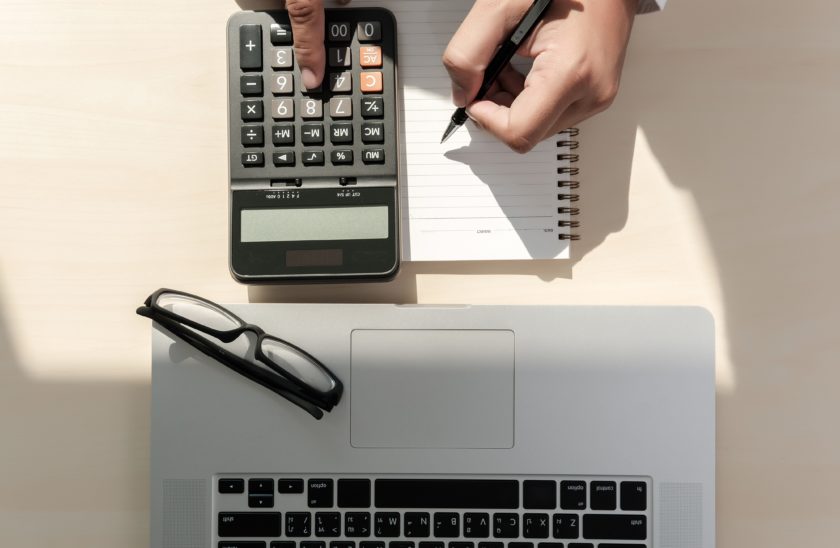
Thanks to the pandemic, many of us have permanently changed our work arrangements to include more time working from home (WFH). Now that lockdowns are behind us, it’s important to stay on top of how WFH tax deductions are calculated — especially as the ATO has introduced key updates.
For the 2025–26 financial year, the ATO allows employees to claim working-from-home expenses using either the fixed-rate method (70c per hour) or the actual-cost method, provided they meet strict record-keeping requirements.
Understanding what you can claim and keeping accurate records can put more money back in your pocket come tax time.
What expenses can I claim when working from home?
If you’re working from home, you may be able to claim a portion of your home office running expenses, including:
-
Electricity and gas for heating, cooling and lighting
-
Depreciation of work-related equipment (e.g. computers, laptops, tablets)
-
Depreciation of furniture (e.g. desks and chairs)
-
Internet and phone usage
-
Office consumables such as stationery, printer paper and ink
What are the ways to calculate my Tax Deductions?
There are two methods currently available to calculate WFH expenses:
-
Fixed Rate Method (updated)
-
Actual Cost Method
Note: The previous shortcut method (80 cents per hour) is no longer available and ended on 30 June 2022.
Option 1: Fixed Rate Method (Updated)
From 1 July 2024, the fixed rate has increased to 70 cents per hour. This method simplifies the process by allowing you to claim a set rate per hour worked from home, covering the following:
-
Electricity and gas
-
Internet and mobile/home phone usage
-
Stationery and computer consumables
You cannot claim separate deductions for these expenses if you use the fixed rate method.
What Records Do I Need to Keep?
To use this method, you must:
-
Keep a record of ALL the hours worked from home for the entire year (estimates or assumptions are no longer accepted)
-
Keep evidence (such as bills or invoices) showing you incurred the types of expenses included in the fixed rate (e.g. internet, phone, electricity).
-
Keep receipts or records for any depreciating assets (like technology or office furniture) if you intend to claim them separately
Note: You do not need a dedicated home office to use the fixed rate method, but your work must be substantive and directly related to income-producing activities (checking emails occasionally won’t qualify).
The 70c fixed rate does NOT include:
- Depreciation of equipment (laptops, desks, chairs)
- Repairs & maintenance
- Cleaning (if dedicated office)
These can be claimed in addition.
Option 2: Actual Cost Method
This method requires you to calculate the exact work-related portion of your expenses. You’ll need detailed records and calculations based on:
-
The portion of your home used for work (typically based on floor area)
-
Total energy consumption of devices used for work
-
Depreciation of work-related assets such as computers and desks
-
Internet and phone usage, using a 4-week representative diary
-
Cleaning expenses, if you have a dedicated home office
You’ll also need to apportion private and business use of shared items and expenses based on a fair and reasonable method.
NOTE: Occupancy costs (rent, mortgage, insurance) are generally NOT claimable for employees unless very specific conditions apply.
What Expenses Can’t Be Claimed?
Here’s a quick summary of items the ATO does not allow as WFH deductions:
-
Coffee, tea, milk and similar household refreshments
-
Childcare or online learning expenses for children
-
Items provided by your employer (e.g. laptops, phones)
-
Any expenses that your employer has reimbursed
Common WFH Tax Deduction Mistakes
The ATO has significantly increased scrutiny on WFH claims. Here are some common deduction mistakes we have come across.
- Claiming fixed rate and internet/energy separately (double-dipping)
- Not keeping hour-by-hour records
- Claiming for non-work activity time (breaks, personal time)
ATO’s Administrative Approach
It’s worth noting that the fixed rate method is not legislated. It is an administrative concession provided by the ATO. This means if you object to an assessment, you’ll need to substantiate claims based on actual expenses incurred, not simply on the fixed rate. Keeping proper records is essential.
Are you eligible?
To claim WFH deductions, all must apply:
- You actually perform your employment duties from home (not just occasionally checking emails)
- You incur additional running costs
- You have records to substantiate your claim
Record keeping is key:
Each year, the ATO reminds everyone to correctly calculate the working from home (WFH) expenses. We recommend that you set up good habits from the start, so you can record of the hours you have actually worked from home and the expenses incurred throughout the year. This will make tax time much easier.
How can Morrows Help?
To ensure you’re compliant and making the most of your available deductions for the 2025-26 Financial Year, speak with your tax advisor. The right method for you will depend on your individual circumstances and record-keeping habits.
If you’re unsure which method is right for you, or want help calculating your deductions, please contact Morrows today on 03 9690 5700. We will be happy to help you.

Want to learn more Tax Minimisation Strategies? Download our Tax Guides
We’ve created two Tax Planning Guides to help you and your business be better prepared.
And if you’re ready to take the guesswork out of it completely, our team is here to help you design a personalised tax strategy for your business.
Fill in your details below, to gain access to these guides for free.
Related Posts
5 Tips on preparing for your SMSF annual accounts and audit
The end of the financial year can be a busy time for SMSF trustees. Having the right information ready can
Own a Property Bought Before 20 September 1985? What the 2027 CGT Changes Mean for You
If you own a property that was purchased before 20 September 1985, you may have assumed it would always be